Want Winter Garden painting professionals who work with Central Florida's variable weather patterns? You'll get climate zone analysis, humidity and surface testing, and standards-compliant systems with low‑temp, rapid-setting coatings. We meticulously pressure wash to exact PSI, treat mildew, fix substrates, and choose primers and film builds according to manufacturer and FBC guidelines. Interiors get minimal-smell, scrub‑resistant finishes; exteriors include sun-resistant, water-resistant systems. Count on licensed crews, thorough OSHA compliance, detailed prep, and transparent timelines, estimates, and warranties-our process illustrates how we protect your investment.
Essential Points
- Local specialists well-versed in Winter Garden microclimates, carefully planning around cool snaps, damp mornings, and quick humidity changes to eliminate coating issues.
- Comprehensive prep work consisting of systematic cleaning, mildew and rust treatment, wood rot repair, precision sanding, protective back-priming, and dew point and moisture checks.
- Code-compliant systems: primers and temperature-resistant coating systems conforming to manufacturer specifications and Florida Building Code standards.
- Premium interior features including low-odor, scrub-resistant, and mildew-inhibiting finishes, featuring expertly applied trim finishes, clean jobsites, and full HOA and VOC compliance.
- Expert oversight: comprehensive quotations, complete material specifications, licensed and insured crews, workplace safety protocols, defined timeline planning, and warranty-ready documentation.
The Importance of Local Knowledge in Central Florida's Climate
Why here is local expertise so crucial in Central Florida? Your property faces dramatic temperature fluctuations, strong sun exposure, and regular humidity changes. Local contractors who are familiar with regional requirements, material behavior, and weather patterns protect your property and reduce rework. They utilize climate zone mapping to identify wind exposure, shaded areas, and water exposure zones that accelerate finish failure. Using this information, they specify suitable coating materials, base coats, and coating thickness that meet manufacturer specifications and Florida Building Code regulations.
Proper moisture control is also crucial. Experts conduct comprehensive humidity assessments, including environmental and surface measurements, confirm appropriate temperature-moisture spread, and coordinate application timing within safe parameters. They modify cure durations, incorporate mildew-resistant components, and utilize breathable finishes on stone surfaces to avoid vapor pressure damage. Area-specific experience delivers enduring finishes, thorough documentation, and reliable lifecycle expenses.
Professional Interior Painting for All Rooms
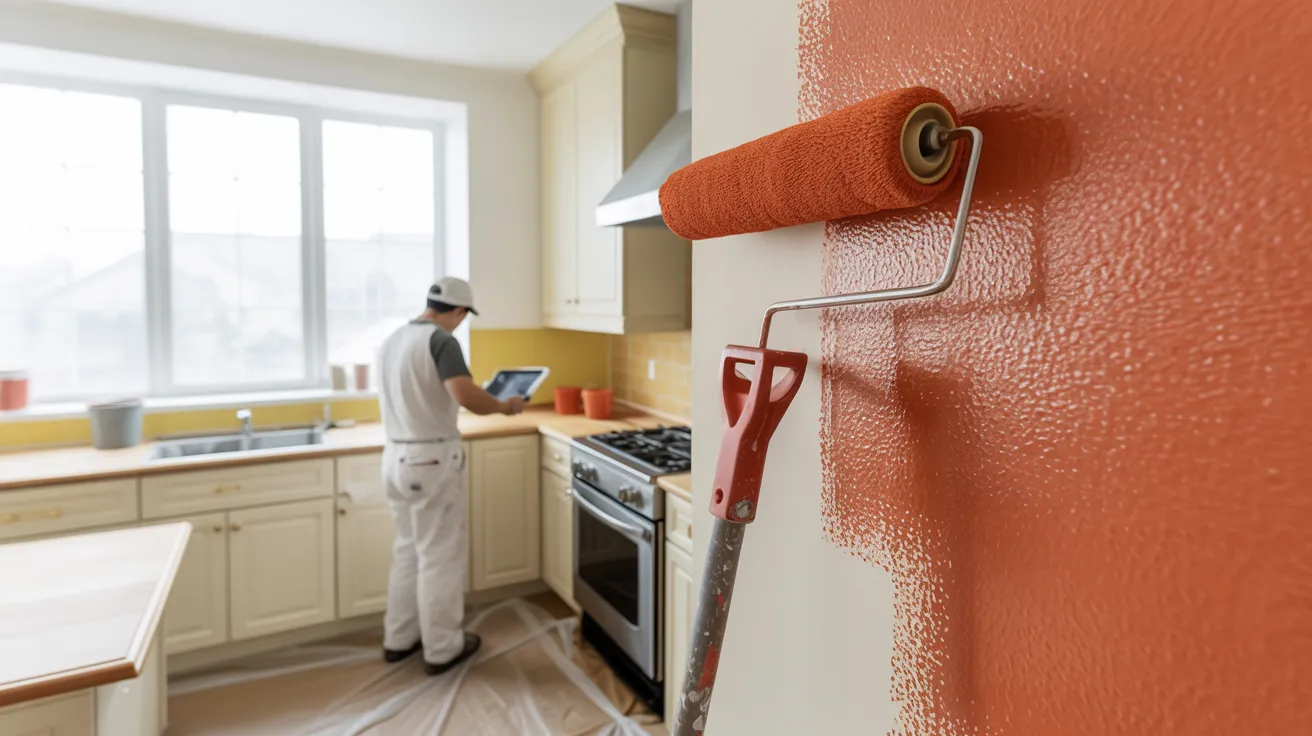
Transform every room with interior painting services designed for Central Florida specifications and guidelines. You'll enjoy customized painting options that meet VOC limits, fire-rated assemblies, and HOA color guidelines. Kitchens are finished with durable, humidity-resistant finishes; bathrooms are treated with moisture-blocking coatings and protective sealing; bedrooms feature low-odor, subtle-finish comfort; living areas emphasize balanced luster and precise boundaries.
We commence with surface profiling, patching, and precise masking to protect fixtures and floors. Our crews execute sharp cut-ins, uniform coating depth, and tracked drying intervals for timeline assurance. Enhance focal points with feature walls that coordinate with existing interior elements. Perfect trim updates by preparing, priming, and finishing doors, baseboards, and casings for long-lasting, resilient finishes. You'll experience even coating, precise color alignment, and approved products in all spaces.
Surface Preparation and Weather-Durable Finishes
The first step is checking surface conditions, before moving on to high-pressure cleaning, plus rust and fungal remediation, hole filling, and caulking and sealing to satisfy industry standards and specifications. Then, you specify appropriate primers for existing finishes and surface materials to secure reliable adhesion and consistent moisture control. During Winter Garden's cooler weather, you select weather-resistant acrylics or elastic finishes formulated for low-temp hardening and rapid water resistance, observing precise coating thickness guidelines and coating intervals.
Surface Maintenance and Restoration
Consistently thorough surface cleaning and targeted repairs establish the groundwork for strong, climate-resistant exterior finishes in Winter Garden's humid, storm‑prone climate. Initially clearing biofilm, chalking, and wind‑borne contaminants with precisely controlled pressure washing, modifying pressure levels to protect stucco, wood, and fiber‑cement. Where finishes deteriorate, conduct systematic paint removal, using approved chemical or mechanical methods, with measures to control drainage into storm drains per local ordinances. After reaching appropriate moisture levels, inspect for wood damage, material separation, and metal degradation. Install new damaged sections, secure or replace hardware, and repair splits using weatherproof fillers. Smooth surface variations, seal exposed surfaces, and prepare discolored areas and metal surfaces. Record surface status, restoration products, and setting duration to confirm preparation before finish application.
Low-Temperature Coating Options
While Central Florida rarely experiences freezing temperatures, Winter Garden's chilly weather and morning moisture continue to demand low-temperature-rated coatings and precise application periods. You'll need to use products engineered for low temperature film formation-generally 35-40°F-paired with water-repellent coatings to prevent fog, dew, and overnight humidity. Choose fast curing systems to minimize open time and limit dew-set problems. On marginal days, prime with anti freeze primers designed to ensure adhesion and block moisture penetration when substrates are cold.
Review manufacturer data sheets, specifying minimum substrate and ambient temperatures, recoat periods, and dew point spread (at least 5°F). Employ digital hygrometers and infrared temperature meters to check conditions before starting. Plan application during midday hours, enabling surfaces to heat up and properly dry. Log conditions to ensure warranty and code compliance.
Design Trends and Color Consultation Services
While project scope and surface preparation establish the groundwork, smart color consultation aligns your goals with current design trends, HOA regulations, and long-term maintenance considerations. You'll find harmony between visual appeal and regulations, considering light reflection metrics, and neighborhood standards to prevent modifications or violations. We evaluate seasonal palettes to align with Winter Garden's sunlight intensity, vegetation, and architectural style, specifying cool neutral tones, sun-resistant midtones, and high-contrast trim for visual definition.
We'll determine finish schedules depending on exposure: south and west elevations require UV-resistant pigments; areas with less sun exposure can feature richer hues with minimal fade risk. Utilize accent methods by incorporating doorways, shutters, and trim work to achieve dramatic effects while optimizing maintenance intervals and controlling costs. Current trending options feature natural beiges, subdued greens, maritime blues, and matte-finish metallics that harmonize with clay tile and stucco.
Surface Preparation, Primers, and Specialty Finishes
Before beginning the painting process, you must remedy surface imperfections by applying compatible fillers and allowing proper curing according to manufacturer guidelines. Next, you will choose primer products that are suitable for the material and setting, ensuring good attachment, stain blocking, and rust protection as necessary. Based on performance requirements or building codes, you will need to select specific coating systems-like elastomerics, epoxies, or intumescents-according to exposure conditions, performance goals, and guarantee specifications.
Hole and Crack Repairs
The right approach to surface damage provides a solid base for a strong, up-to-code finish. Initially identifying the base material-plaster, gypsum, masonry, or stucco-and recording the size of defects, movement, and moisture concerns. For fixed cracks, carve a clean V-channel, clean out dust and use appropriate filling compounds following established repair methods. For active joints, apply a flexible sealant with suitable backer material and proper depth-to-width ratio.
On drywall surfaces, first secure detached paper facing, and add drywall bonding primer to rehabilitate compromised surfaces. Select either fiberglass or paper tape depending on movement requirements and fire ratings. When dealing with large holes, put in place preformed patches or backing supports, and gradually blend drywall compound in sequential applications to achieve proper thickness. Sand progressively, verify surface uniformity under directional light, and confirm that cure times comply with building regulations and product instructions.
Specialty Coatings and Primers
Choose purposeful primer coatings to provide bonding, sealing, and protection based on material requirements, environmental exposure, and code compliance. Once you've fixed surface defects, create surface texture, confirm moisture levels, and evaluate bonding. For masonry or stucco in damp climatic conditions, use vapor-blocking primers to block moisture migration and salt deposits, extending coating life. For ferrous metals, eliminate corrosion to SSPC standards, verify profile depth, then apply anti-corrosion coatings with specified mil thickness and salt resistance. On chalky exterior paints, apply adhesion-promoting primers; when coating wood with tannins, use specialized wood sealers. In areas requiring chemical resistance like chemical storage and food prep areas, use high-performance coating systems. Record material information, environmental compliance, and curing requirements to ensure code conformance.
Project Timelines, Budgeting, and Transparent Estimates
Even though all residential and commercial property is distinct, you can count on clear timelines, a defined budget, and a detailed proposal that details materials, labor, surface prep and contingencies. We offer Timeline estimates calculated from site evaluation, material conditions, access, and drying periods for primers and finishes. You'll see schedule details, key phases, and essential activities so you can coordinate your schedule.
Financial clarity drives choices. We distinguish between direct and indirect expenses, details product details by supplier and solution, and catalogs allowances for substrate repairs. We highlight potential change orders with thresholds, approval steps, and price breakdowns, so changes remain predictable. We provide documentation formatted for procurement review, including financial documentation, requested insurance verification, and financial timelines tied to milestones, quality checks, and final verifications.
Professional Crews, Safety Standards, and Immaculate Job Sites
Once project schedules and costs are established, you need to be confident that qualified professionals will perform the job safely and keep your premises organized. Make sure to check for licensed crews who adhere to Florida contractor regulations and maintain current liability and workers' compensation coverage. Make it a point to obtain license numbers and certificates and validate these documents before commencing any work.
Demand proper safety protocols: OSHA-compliant ladders and scaffold setups, proper respirator fitting procedures for spray-based work, lead-safe procedures when disturbing pre-1978 coatings, and lockout/tagout where applicable. Crews should conduct daily workplace hazard evaluations, post signage, and keep clear egress paths.
Site cleanliness is a top priority. Professional contractors set up proper containment, safeguard landscaping and fixtures, manage dust control, and stage materials in an orderly manner. They ensure complete site cleanup each day, properly label all waste, and dispose of solvents following local and EPA regulations.
Key Maintenance Tips to Preserve Your Paint
Even with a perfect installation, your paint system needs routine maintenance to reach its expected longevity. Inspect once per quarter for signs of chalking, blistering, or hairline cracks. Repair isolated issues with regular repairs to stop moisture penetration. Rinse exterior surfaces once a year with neutral pH detergent; rinse thoroughly to remove salts and mildew spores. For interior spaces, maintain humidity: maintain RH between 40-55% to reduce condensation and joint movement. Maintain gutters, caulking, and flashing to prevent water penetration behind coatings. Trim vegetation to promote sufficient airflow and sun exposure. For high-traffic interior areas, employ felt pads, bump guards, and consistent dusting to decrease abrasion. Document maintenance activities and product lots for warranty requirements. When recoating, comply with manufacturer DFT, recoat windows, and surface prep specifications per PDCA/ASTM.
Common Questions
Do You Provide Low-VOC, Eco-Friendly Paint Options for Sensitive Homes?
Indeed, you can select green and low-VOC systems designed for health-conscious homes. We utilize minimal-smell finishes, zero-VOC or ultra-low-VOC primers and topcoats, featuring plant-based pigments. We thoroughly check SDS, GREENGUARD/Green Seal certifications while adhering to EPA and local AQMD standards. We develop thorough ventilation protocols, section off project spaces, and execute air quality monitoring. You'll receive comprehensive material data including batch VOC documentation prior to starting to ensure transparency and safety.
How Can You Navigate HOA Rules and Secure Approvals?
Rest assured. We'll take care of everything while we navigate rules taller than mountains. We manage the entire HOA approval process: paperwork handling, color selections, and detailed project specifications that meet community standards. We communicate directly with management for timing arrangements, making sure everything aligns with your timeline. We process all required documentation, track responses, and adjust specs to meet covenants. You get clear updates, official authorizations, and a smooth beginning without any unexpected issues.
How Do You Protect Landscaping, Furniture, and Fixtures During Painting
We protect and safeguard outdoor elements, furnishings, and fixtures by carefully establishing work areas and organizing materials. We employ drop cloth placement on lawn areas and hard surfaces, elevate edges for drainage, and seal joints to avoid spray migration. We conduct protective wrapping of plant trunks using breathable materials, protect bushes with protective barriers, and move container plants to safe locations. We cover or detach fixtures with protective sheeting and gentle adhesive, bag sprinkler heads, and pad furniture. We monitor air movement, spray control, and adhere to manufacturer and HOA specifications.
Are Digital Mockups or Sample Boards Available Before Proceeding?
Absolutely - we provide you with sample boards and digital previews before you commit. Like seeing the road ahead, we provide detailed visualizations adapted to your specific environment and surface. You'll review sample materials, sheen options, and complete systems to verify compatibility with VOC and warranty requirements. Our team calibrates displays, use color standards, and create sample applications at your location, recording choices for final confirmation. You review and approve changes, maintaining defined parameters, financial adherence, and reliable results.
What Warranties or Workmanship Guarantees Do You Provide Post-Project
We provide a written guarantee of workmanship that covers defects related to surface prep, application, and curing. Warranty terms typically span 2-5 years for interiors and 1-3 years for exteriors, depending on proper maintenance and manufacturer guidelines. We address peeling, blistering, or adhesion failures at no cost; exclusions include substrate movement, moisture intrusion, and unauthorized alterations. You'll be given documentation outlining claim procedures, response times, and product warranties, ensuring clear accountability and regulatory compliance.
In Summary
You now understand how local expertise, rigorous prep, and compliant crews protect your home-and your budget. You've learned about surface science, coatings selection, and weather timing. You're equipped with a clear estimate, a clean site plan, and maintenance steps to extend paint performance. Now the question lingers: will you secure your timeline before weather conditions change? Pick your shades, confirm the work, and we'll start. Because the opportunity for optimal bonding-and superior results is coming... and time is limited.